

The B-Side Mentality.
Why thinking like a DJ is a helpful creative strategy.

Before streaming killed the format, every single came with a B-side.
(Young people - stick with me here lol.)
The A-side was the sure shot. The song the label believed in. Formatted for radio, designed to chart, optimized for the room full of people who needed to approve it before it could exist.
The B-side was the song the artist actually wanted to make. And the song the cool deejays wanted to play.
Alicia Keys once said, “I feel like B sides are always better, no matter whose record it is.”
Go back through music history and the B-sides are often the ones that last. Biggie. The Smiths. Chili Peppers. Gang Starr. Icon after icon.
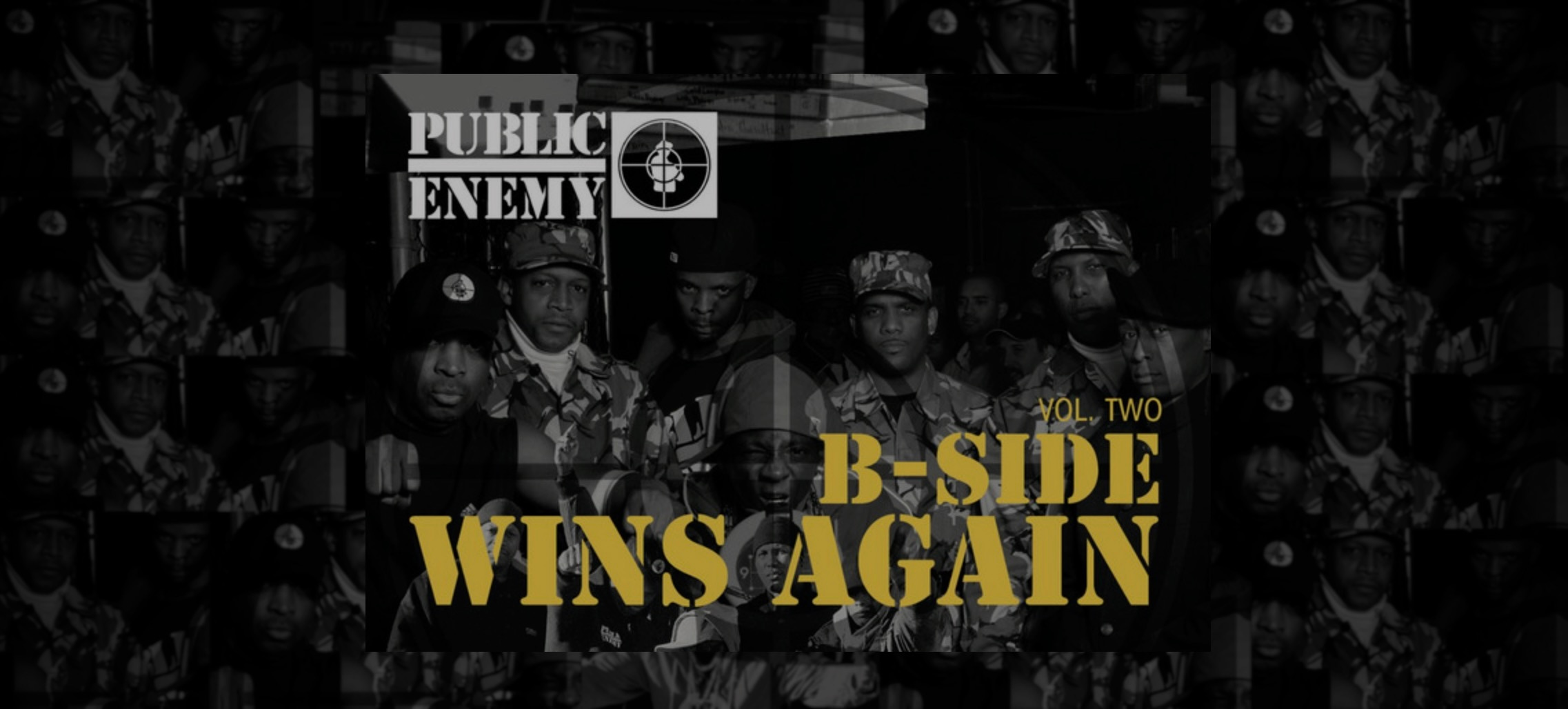
Even Public Enemy knew this. They literally have a song called the “B-Side Wins Again.”
This is also true in movies, TV and even comic books.
The market didn’t always know what to do with them. The culture did, eventually. Because tastes evolve. The mainstream changes. Artists help shift this change: it’s the subtle, behind the scenes creative ideas that help shape and capture the next thing.
How does this affect you: the creative?
Every creative field has a version of the A-side. The deliverable optimized for approval. The campaign that survived the stakeholder process. The design that made it through three rounds of client feedback. The brief always narrows things. That’s not cynicism - it’s just how creative work functions inside institutions. A-sides pay the bills. They build the audience. They keep the lights on.
The creatives who stay relevant long-term aren’t the ones who refused to make A-sides. But they’re the ones who refused to ONLY make A-sides.
The designers who became icons had personal projects running alongside the client work. The writers who matter had something to say that didn’t (always) fit the assignment.
That’s the skill most people miss. It’s not art versus commerce. It’s knowing - curating in the moment - which one you’re making.
It runs alongside creativity, not after it. The ability to look at your own work and place it correctly - this is the single, this is the B-side, this belongs now, this belongs later, etc - that’s not a business decision. It’s awareness, confidence and most of all: taste.
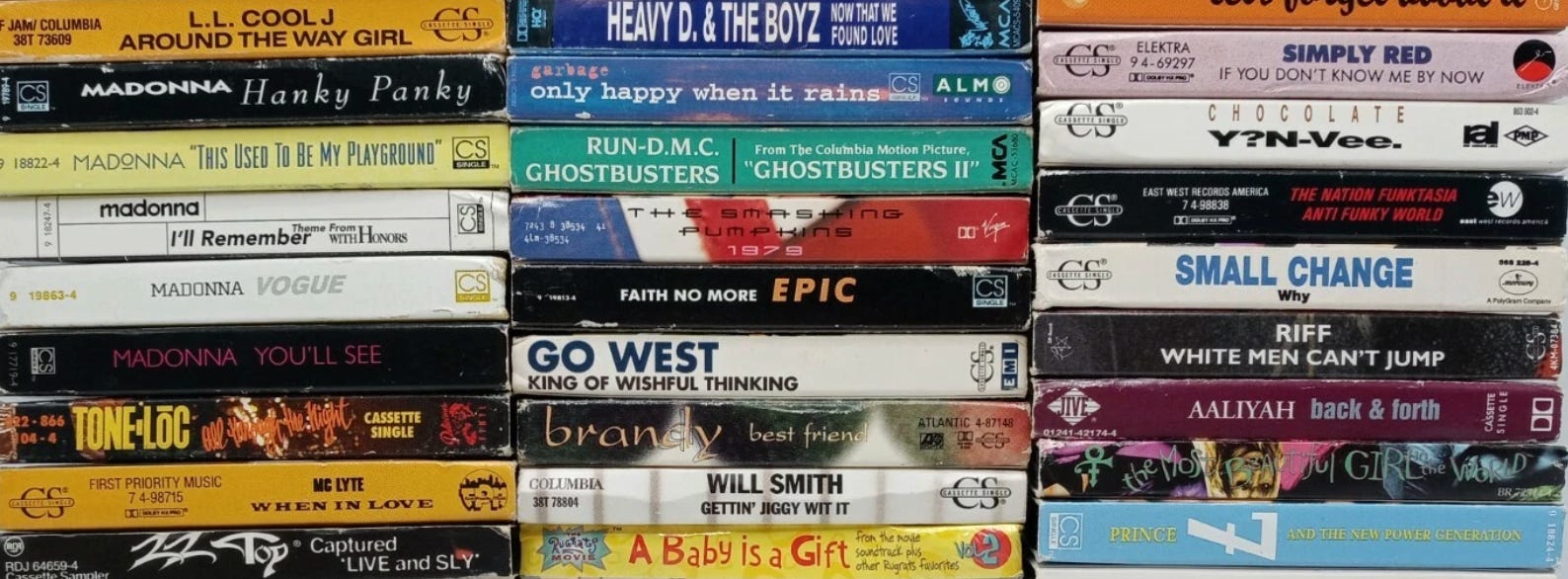
The B-side is where you find out what you actually think. No brief. No approval process. Just your own curiosity and whether you have the nerve to follow it.
That’s the work that defines you. Not always commercially, but in terms of what people remember. And hopefully what other creatives reach for as a reference.
And most importantly: what you’re still proud of ten years from now!
No matter your creative profession, keep in mind this idea: think like a DJ.
Thinking like a DJ is a skill many people can utilize for many different purposes, but we will get more into that in future editions.
For now, I encourage you to read the room and choose the right moment at the right time. This is why I’ve had such longevity in my career.
The B-Side wins again.
Most people only ship the “A-side,” but the real identity usually shows up in the stuff they make without permission or pressure