

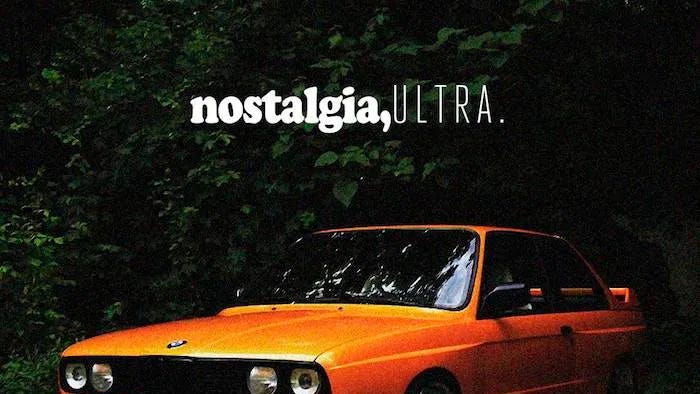
Nostalgia, Ultra.
Why brands are focusing on analog culture...

I had the privilege of moderating a think tank last week at the incredible PTTOW! Summit in Orlando, Florida. 100 of the biggest names in marketing all in one place discussing the creative issues that are shaping business and culture.
We had a spirited and engaging discussion on the power of nostalgia as it relates to consumer behavior, and it was truly an honor to lead the discussion.
(And deejay the afterparty - of course.)
I thought it would be interesting to share some of those insights to the Creative Exercise community:
Nostalgia as therapy.
Vinyl hit a billion dollars last year. People are tired of infinite content that was optimized before it was felt. A record requires a decision. You pick it up. You flip it over. You commit to side A or side B, and that commitment is now the product.
It’s a journey we - as consumers - are starting to take more and more. Choosing something as an immersive experience is almost therapeutic.
There’s actual research behind why this is happening. When people feel lonely, anxious, or insecure, they seek comfort in nostalgic memories. It offers an emotional refuge, a way to reconnect with a time that feels simpler or more joyful.
This is a trend that seemingly benefits both the consumer and the brands that serve them.
And the numbers back it up. A Journal of Consumer Research study found that nostalgia loosens people’s wallets specifically because it makes them feel less alone. It reduces the feeling of social isolation and replaces it with warmth, and it turns out that people spend more when they feel that way. (I know I do.)
On the brand side, nostalgia-driven campaigns have been shown to drive engagement at rates that dwarf standard content. Brands are catching on. The smart ones understand why it works. Here are a few that totally get it. But sadly, many brands are still playing catch up.
Performative nostalgia is the enemy.
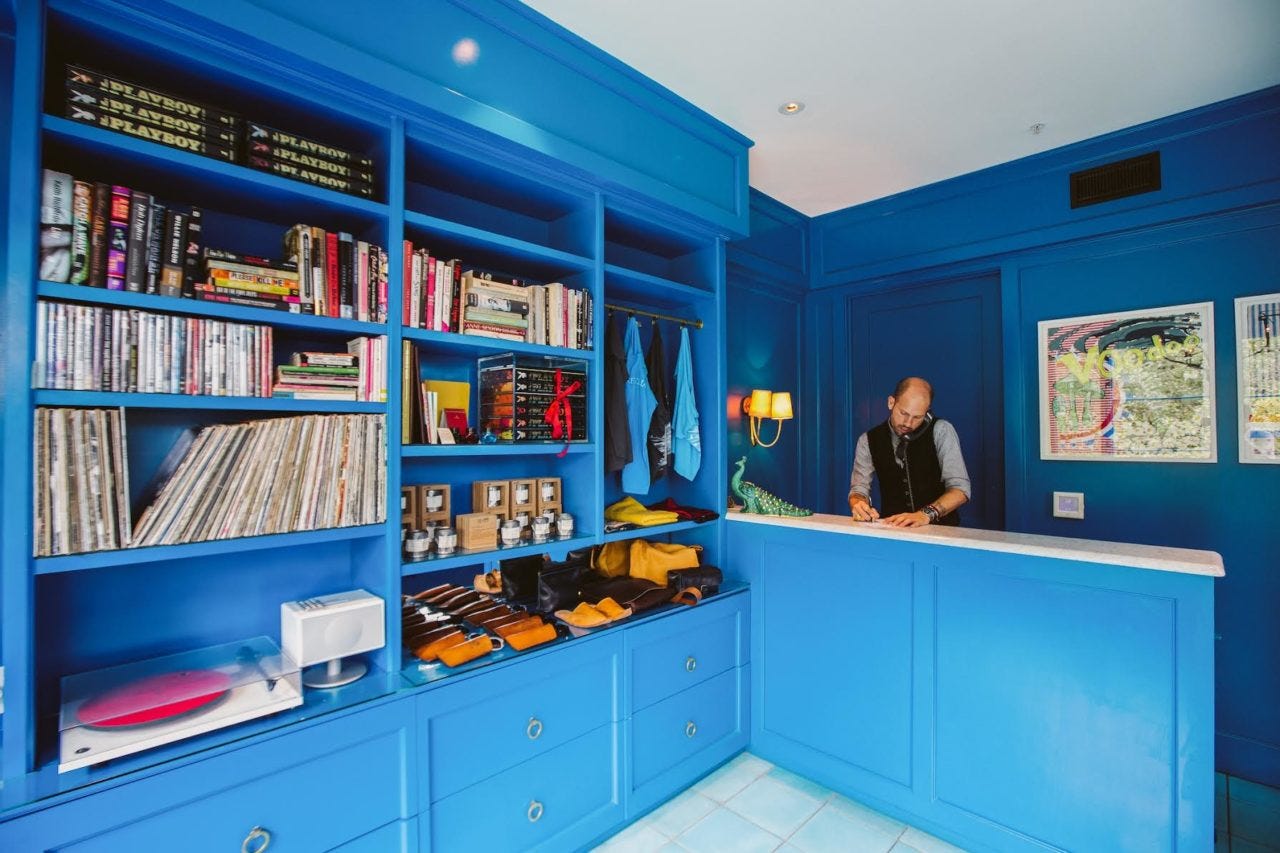
Record players in lobbies. (Cringe.) Cassette packaging for candy. Grainy fake-ass Polaroid filters. That’s cosplay. Audiences clock it immediately because it reads as a brand chasing a feeling it doesn’t actually have. The experience has to actually deliver something.
Once a consumer checks out the “new-old” brand, the offering needs to provide real value. Novelty is rarely enough to maintain loyalty. Aesthetic without the substance is just decoration.
Analog and offline are NOT the same thing.
This distinction matters and most brands are missing it completely.
Nobody leaves a concert changed because their phone got taken away. They leave transformed because the artist gave everything, the crowd was in union, and for 2-3 hours nothing else existed. That’s not about being disconnected. That’s about something incredible demanding your full attention.
The brands getting this wrong are focused on removing the digital. The brands getting it right are focused on making the experience worth showing up for - regardless of how it is being captured.
Nostalgia isn’t about the past. It’s about proof.
Here’s what gets lost in every marketing deck that opens with the vinyl stat we mentioned above: nostalgia isn’t really about the era. It’s about proof that depth existed. Proof that things were made with care and intention.
Nostalgia can be evoked in people who never actually experienced the original thing, triggered through touch, sound, taste, or experience. That’s why Gen Z kids who weren’t alive in 1988 lose their minds over 90’s hip-hop. They’re not being retro. They’re recognizing something real and gravitating toward it. They’re driving viewership of Friends and The Office even though they weren’t alive during the original runs. They’re not nostalgic for those shows. They’re nostalgic for what those shows represent: people in rooms together, actually present, watching “Must See TV.”
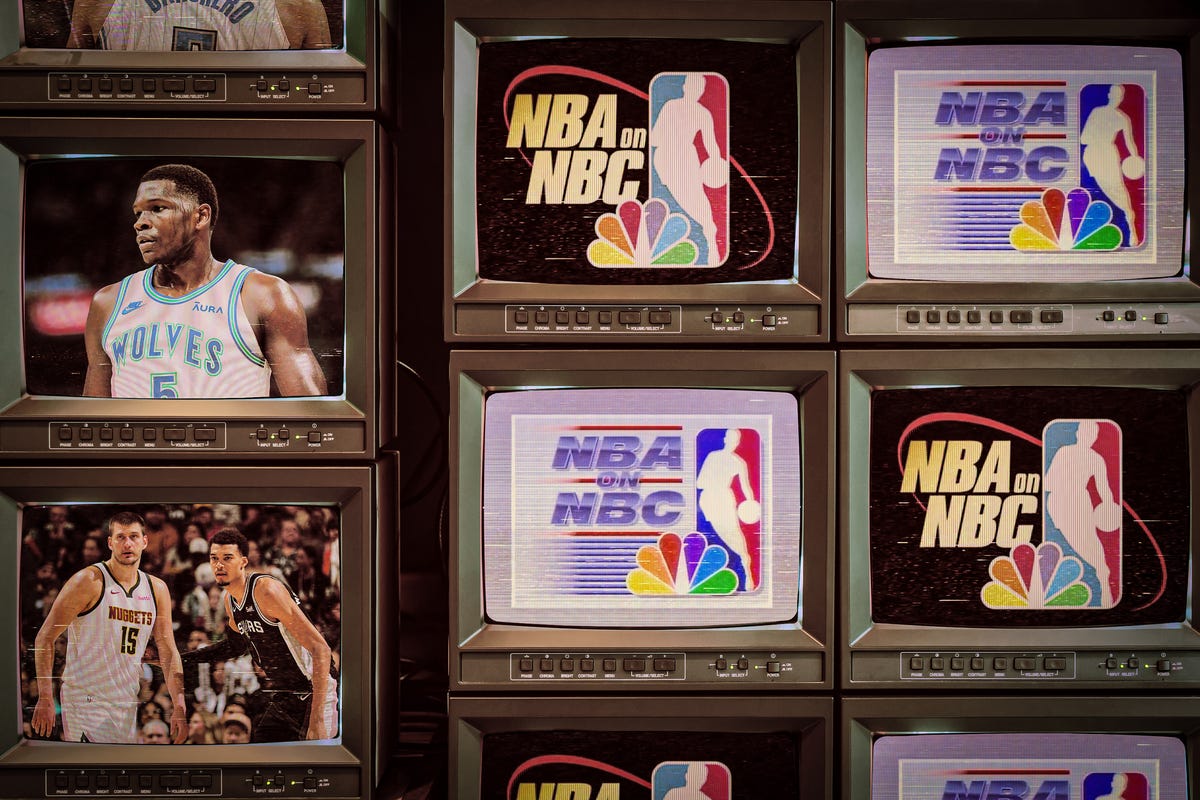
(Speaking of NBC, they are killing it with their retro NBA coverage.)
Final thoughts:
The brands winning with analog culture right now aren’t just running nostalgia campaigns. They’ve made a decision that some experiences are worth doing the slower, harder, more deliberate way.
Nostalgia can increase willingness to purchase, overall consumer spending, and even prosocial behavior. A brand leaning into it right now is making a smart bet. But ONLY if the thing underneath it is real.
So basically: please stop putting shitty turntables and bad records in your hotel lobby. 🙂
Creative Exercise is a newsletter about creativity, culture, and the business of both. Written by MICK.
Reading this from a Brooklyn coffee shop with a performative turntable in it 🙃