


I’m Mick Batyske - DJ, Culture Strategist + Speaker. I connect the dots between all things creative, including the creator economy. 🧠
This week, my friend Busta Rhymes puts out Dillagence 2 - a full album built from unreleased J Dilla production, one of the most anticipated hip-hop releases of the year. Busta played it for me a few months ago. It’s truly excellent. But that’s not really why I’m writing this.
I’m writing this because Dillagence 2 doesn’t exist without Dillagence, and Dillagence doesn’t exist without a bold conversation I had almost twenty years ago. When I was a kid in Cleveland figuring out how to turn a local DJ hobby into a full time career. That kid had no real business pitching Busta Rhymes anything.
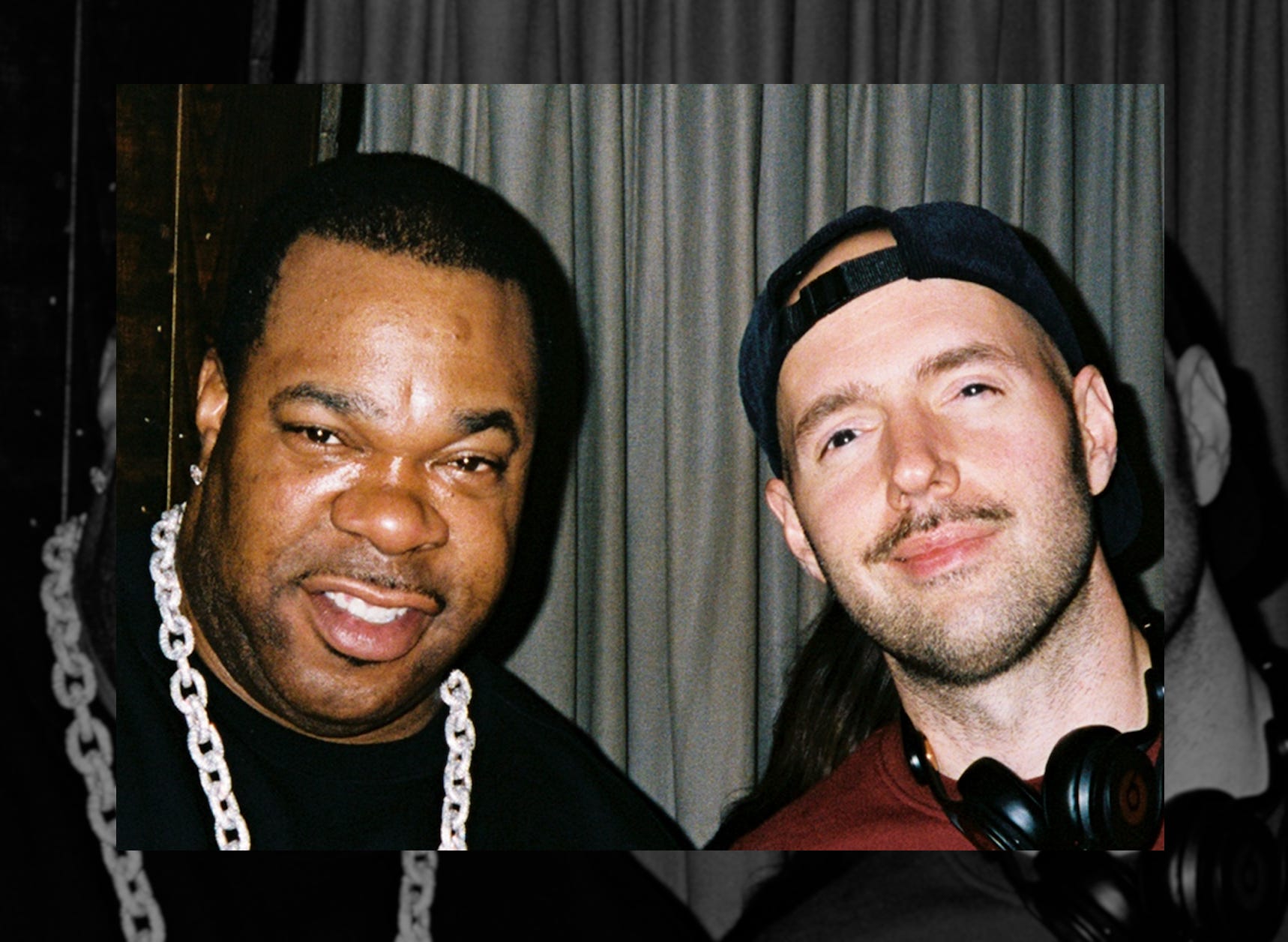
Let me zoom out:
By 2007, I hadn’t moved to Brooklyn yet, but I had built a little bit of a name for myself - my mixtapes were starting to go regional and then national. Labels were starting to take note, but barely. I had just finished grad school and was using every marketing trick I learned in college to further my career. I was still, in every way that matters, starting out.
J Dilla had died in February 2006, and the loss hit the culture hard - the kind of loss where everybody who loved hip-hop felt like something foundational had gone quiet. I’d been sitting with his catalog, and with Busta’s, and I kept landing on the same thought: these two had real history together, going back to Busta’s solo records, going back to The Ummah, going back to songs like “Still Shining.”
They were close friends - and nobody had properly put that relationship on a single project and let it breathe. So I did the thing you’re not supposed to do when you don’t have the clout to do it - I asked.
The pitch:
I call this Substack Creative Exercise for a reason. We all have so many different, amazing creative ideas. And this was one of my first really good ones.
I went to Busta with a concept: a full mixtape, him rhyming almost exclusively over Dilla instrumentals, built as a tribute. A whole body of work that treated Dilla’s beats the way they deserved to be treated, with Busta as the voice carrying it.
I actually remember the moment. I was sitting my couch - it was an ugly purple couch. No idea why I had a purple couch. And I remember it was a pre-iPhone call so I didn’t have speaker phone. Might have been a Motorola RAZR. And I pitched the idea.
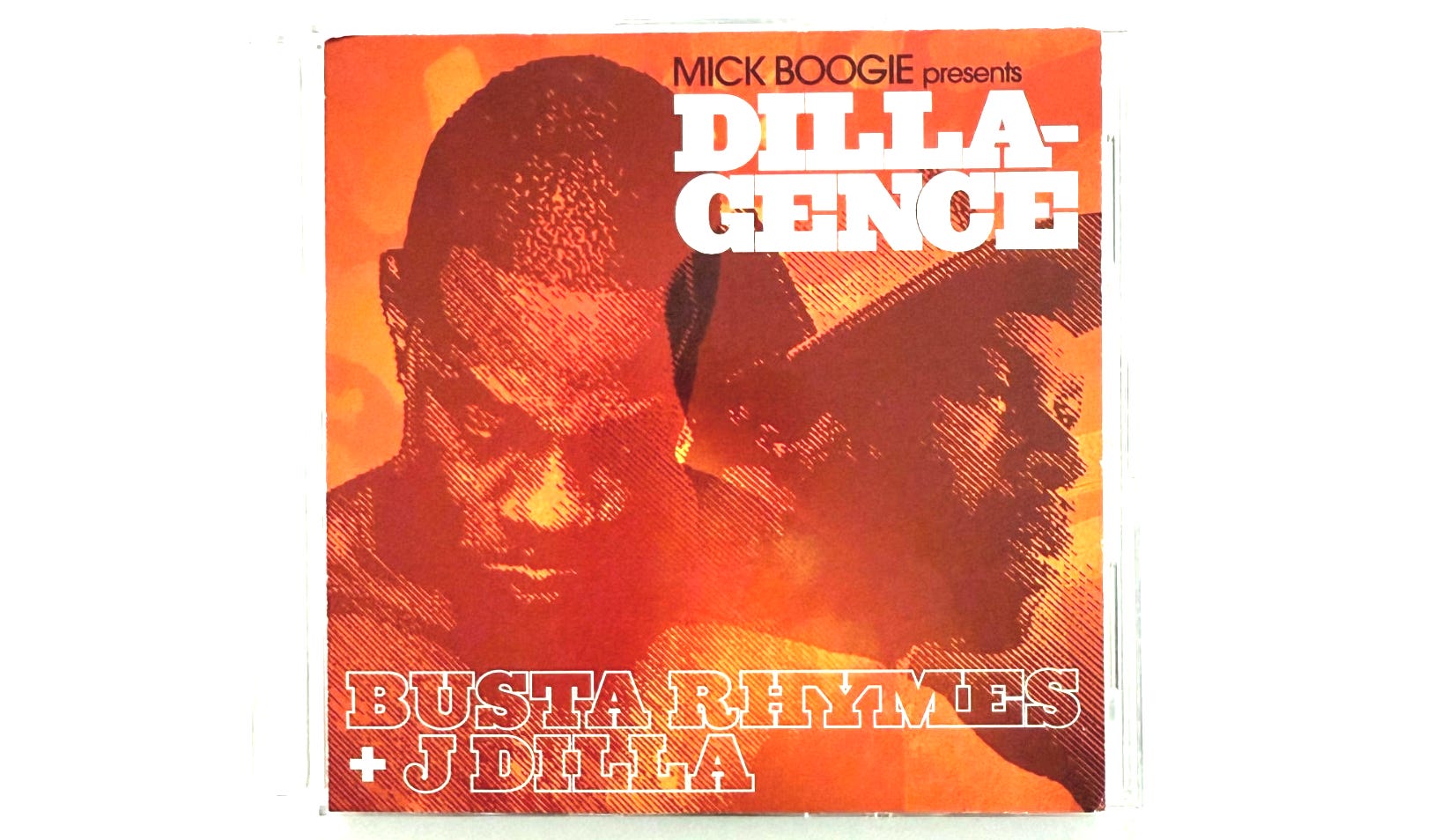
He said yes. More than that - he loved it. Busta later called what I do “hip-hop historian” work, which is about as good a compliment as I could ask for, but at the time it just felt like relief. We built Dillagence together in 2007: Busta over Dilla, with Talib Kweli, Raekwon, Cassidy, Papoose and a run of others stepping in.
I still remember looping up the instrumental of “Lightworks” after Q-Tip’s verse and emailing it to Busta to lay his bars. I think I still have that work-in-progress file.
Anyways - it went out as a free mixtape, the way most of the important records from that era did - no rollout, no press cycle. Just DJs, blogs and message boards. People passing files around because the music was worth passing around.
At the time, I didn’t think of it as history. I thought of it as a good idea that I was lucky enough to get a yes on.
Why it mattered more than I knew:
Almost two decades later, the sequel - Dillagence 2 - is coming out August 25.
It’s a real, legitimate studio album - a fully realized project built entirely on unreleased Dilla production.
As Busta said when he announced the project: “History is about to be made in a new way.”
Like I mentioned earlier, I was able to hear it quite early in the process.
Hearing someone like Lil Wayne rap on a Dilla beat is the stuff us music nerds obsess over.
No need for a DJ this time, obviously. I was a fan this time around.
(Although I did connect some dots and get T3 from Slum Village on the project - which as a true student of the culture - felt important to do.)
And the album is fantastic - the kind of record that makes you understand why he waited this long to get it right instead of rushing something out.
The big lesson:
I keep thinking about how bold yet innocent the original ask was, and how much was riding on him liking the idea.
It was just something I believed should exist. He didn’t have to say yes. He said yes anyway.
So while I could go on and on about how amazing the bars were on that mixtape, or how obviously great the beats are, I can offer a third take as well: the big idea doesn’t always have to come from someone with standing.
It can come from someone who’s actually sitting with the work closely enough to see the thing that isn’t there yet. I was closer to those two catalogs than almost anyone in a position to do anything about it, so I said something.
And the Dillagence brand was born. If you dig deep into the internet archives (or scour YouTube long enough), you can still find our project. It still holds up and sounds just as good now as it did then.
But moreover, go listen to Dillagence 2 when it drops. And when you’re listening, remember this: if you ever get your version of that moment - the idea that feels too bold for where you’re standing - maybe ask anyway?
Worst case, someone tells you no. But the best case scenario is just a yes away.
Creative Exercise is a newsletter about creativity, culture, and the business of both. Written by MICK.
📸 Follow along with my creative journey on Instagram.
🎧 For deejaying or speaking bookings, email me.
☎️ Grab an INTRO session with me, where I advise on personal branding, start-ups, unlocking your creativity and much more.
💻 Connect with me on LinkedIn for more fun takes on business + culture.
Very cool piece of history